
TIAGO OLIVEIRA | CONSERVATION CERAMICS GLASS ENAMELS
BARBARY PIRATE
A terracotta sculpture made in the 17th or 19th century belonging to The National Maritime Museum
Sculpture, Terracotta
Museum
2019


This terracotta bust, nicknamed the “Barbary Pirate,” is held by the National Maritime Museum in Greenwich. While its date of creation is uncertain—either early 18th century or 19th century—it dates from a time when corsairs from the North African coast and Turkish-influenced sailors were prominent
The goal was twofold:
Confirm what previous repairs had been done;
Clean accumulated dirt and discolouration, while preserving original decorative detail and making the bust suitable for museum display.
Construction Details
The bust is made of two main sections (head and torso), joined with an internal dowel, burlap reinforcement, and cement.
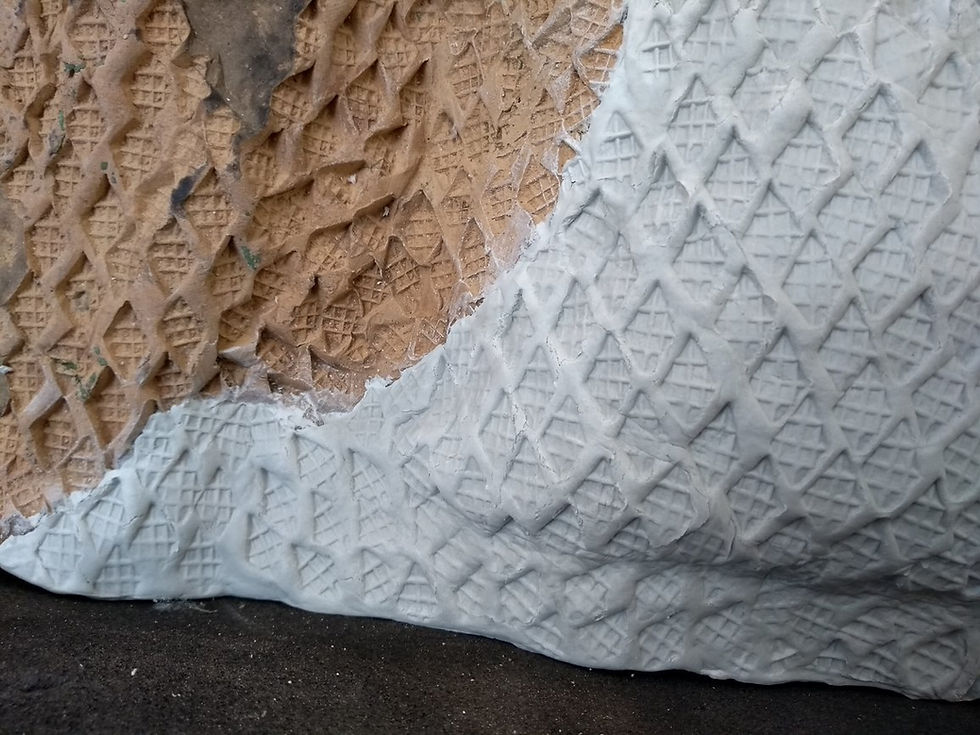
The clay section has two layers: a rough grog-mixed base and a finer outer layer, with intricate stamping to create decorations.
Conservation Steps
Assessment: They carefully examined the neck joint and opted not to disassemble it, as it was secure and removing it risked harming the original clay.
Removing Old Fills: Discoloured paint and softer fillings were gradually removed. A more permanent cement filler was found underneath and was left intact to avoid damaging the clay.
Surface Cleaning: A diluted, non-ionic cleaning solution combined with steam uncovered the detailed decoration without harming it.
Sealing and Filling: An acrylic consolidant sealed the edges. Then, a plaster filler provided structural stability, followed by a softer, air-drying clay sculpted to match stamped patterns, using moulds from the original design.
Detail Restoration: Small buttons and vine motifs were recreated separately and attached. All fills were then subtly painted with acrylics to match the terracotta tone, while intentionally leaving the inner plaster unpainted to indicate its modern nature.
Outcome
The bust now displays its rich surface decoration clearly, stands structurally sound, and retains full historical authenticity. Any modern interventions are reversible or visibly distinguished, ensuring future conservators can identify and update them. The bust now displays in the museum’s permanent galleries.
Why This Is Worth Noting
Respecting history: Conservators took great care not to erase past repairs or over-restore, ensuring transparency in what’s original.
Balancing preservation and aesthetics: Cleaning and gentle retouching brought back visual impact without compromising integrity.
Transparency in materials: Use of removable and labelled fills, along with modern sealants, leaves the sculpture open to future conservation or study.